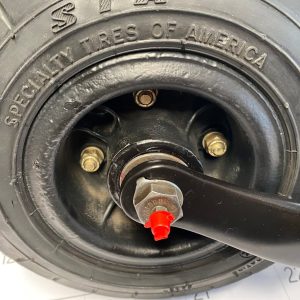
The Scott 3200A Tailwheel – Fully Rebuilt gives operators an alternative to an unknown used assembly when the rebuild process, component condition, and package contents are documented clearly. Buyers should request an itemized rebuild summary instead of assuming that every component within the assembly is new.
The Scott 3200A Tailwheel Assembly combines wheel support, directional steering, swiveling capability, and tail-load management within one compact component. The Scott Tailwheel Assembly may contain bearings, bushings, springs, steering pawls, arms, wheel components, axle hardware, fasteners, and internal wear surfaces.
An Aircraft Tailwheel Assembly experiences vertical loads, side forces, vibration, steering input, and occasional impact during routine service. The General Aviation Tailwheel should be selected according to aircraft weight, tail load, wheel size, spring arrangement, steering configuration, runway environment, and installation requirements.
Whether the requirement is an Aircraft Tailwheel, Taildragger Tailwheel, Aviation Tailwheel System, or Tailwheel Steering Assembly, exact compatibility should guide the purchase.
Key Benefits of a Rebuilt Scott 3200A
Its established design makes it suitable for consideration in restoration projects, utility check here operations, bush flying, private ownership, and flight training. The tailwheel operates together with the aircraft tail spring, steering chains or links, steering springs, rudder system, attachment bolts, and surrounding structure.
Benefits of the Scott 3200A Tailwheel Assembly
Suitable internal clearances and secure steering components contribute to consistent performance. A rebuilt unit may include inspected housings, renewed bearings, replacement bushings, serviced steering components, fresh lubrication, suitable hardware, and adjusted internal parts.
Professional Scott Tailwheel Rebuilding
Worn components should be replaced while retained items should meet suitable inspection criteria. A written work summary helps explain how the seller defines the assembly’s condition.
Choosing an Aircraft Tailwheel Assembly
The assembly carries tail weight while managing runway irregularities, side loads, repeated landing cycles, and directional forces. Incorrect linkage tension can cause delayed steering, harsh engagement, restricted movement, or unnecessary component loading.
General Aviation Tailwheel Applications
Maintenance intervals should reflect actual operating conditions rather than calendar time alone. Professional verification helps prevent unsuitable installation and unnecessary project expense.
Aircraft Tailwheel Ground Handling
The assembly remains part of a complete ground-handling system that also includes rudder control, brakes, main gear, and pilot technique. Abnormal wear may indicate misalignment, bearing problems, repeated shimmy, poor adjustment, or use on abrasive surfaces.
Taildragger Tailwheel Performance
Taildragger pilots coordinate rudder, brakes, power, and tailwheel input to maintain ground stability. Taildragger operation may expose the assembly to side loads during crosswind taxiing, landing corrections, tight turns, and directional-control events.
Aviation Tailwheel System Components
A worn tail spring or loose mounting bolt may cause poor tracking even when the rebuilt tailwheel remains mechanically serviceable. Correct setup supports consistent Aviation Tailwheel System operation.
Maintaining a Tailwheel Steering Assembly
Springs, pawls, bushings, bearings, steering arms, and internal contact surfaces can influence steering response. The mechanism should not interfere with surrounding structure, chains, springs, fairings, or nearby aircraft components.
Maintaining Aircraft Ground Handling Components
Reliable ground handling begins with a serviceable assembly and a correctly adjusted installation. Towing should use appropriate equipment and procedures that avoid overloading steering arms, chains, springs, forks, or mounting structures.
Choosing a Scott 3200 Series Tailwheel
The Scott 3200 Series Tailwheel has become familiar within general aviation through its use on numerous conventional-gear aircraft and restoration projects. A visually similar tailwheel may contain important differences affecting installation or operation.
Choosing a Heavy-Duty Aircraft Tailwheel
Rugged operations may involve gravel, grass, dirt, uneven surfaces, frequent cycles, contamination, and repeated loading. Preventive maintenance supports reliable Heavy-Duty Aircraft Tailwheel operation.
Inspecting Tailwheel Aircraft Parts
Visually similar hardware can differ in dimensions, material, strength, finish, or mechanical fit. A weak spring, worn bushing, rough bearing, damaged pawl, or incorrect fastener may create movement throughout the mechanism.
Aircraft Steering Tailwheel Performance
An Aircraft Steering Tailwheel helps direct the airplane during taxi by responding to the rudder-linked steering arrangement. Maintenance personnel should inspect steering arms, springs, chains, fork structure, wheel condition, and mounting points after significant events.
Replacement Aircraft Tailwheel Guide
A Replacement Aircraft Tailwheel should be selected through exact aircraft application, mounting details, tail-spring configuration, steering arrangement, and suitable technical information. The unit should not be installed solely because it appears clean or freshly refinished.
Maintaining General Aviation Gear Components
A complete landing gear assessment may reveal concerns beyond the tailwheel itself. The product description should explain whether components are rebuilt, repaired, serviced, inspected, untested, or sold for parts.
Scott 3200A Pre-Purchase Inspection
The rebuild date and identity of the rebuilder should be provided where available.
- Request photographs of the front, rear, sides, wheel, fork, steering arms, mounting area, identification marks, and loose components.
- Do not treat clean paint, fresh grease, or bright hardware as proof of a complete mechanical rebuild.
- Inspect and photograph the assembly immediately after delivery before installation, adjustment, disassembly, lubrication changes, or modification.
Scott Tailwheel Fitment and Adjustment
The aircraft should be supported safely while the existing assembly, tail spring, steering links, mounting bolts, and surrounding structure are inspected. Swivel engagement, release, centering, and directional action should operate consistently.
Pilots should report delayed steering, pulling, vibration, noise, binding, or irregular swivel behavior.
Protecting a Rebuilt Tailwheel Assembly
Preventive maintenance can identify wear before it develops into shimmy, binding, looseness, poor steering, or component damage. Pilots should inspect the tailwheel before operation for tire damage, loose hardware, bent parts, steering-link condition, contamination, corrosion, and visible misalignment.
Cleaning methods should avoid forcing dirt deeper into bearings, bushings, and internal steering components.
Selecting a Scott 3200A Tailwheel Assembly
The Scott 3200A Tailwheel – Fully Rebuilt offers meaningful commercial value when the work performed is transparent and the complete package is described accurately. The assembly should be judged according to total installation suitability rather than fresh paint, brand recognition, appearance, or price alone.
Whether buyers need an Aircraft Tailwheel, Taildragger Tailwheel, Aviation Tailwheel System, or Tailwheel Steering Assembly, qualified inspection remains essential. With responsible operation, protected shipping, timely maintenance, and organized documentation, the rebuilt tailwheel can remain a valuable aviation component.